Just Make Clothing From This Stuff

Published on February 19, 2026
Duration: 0:18

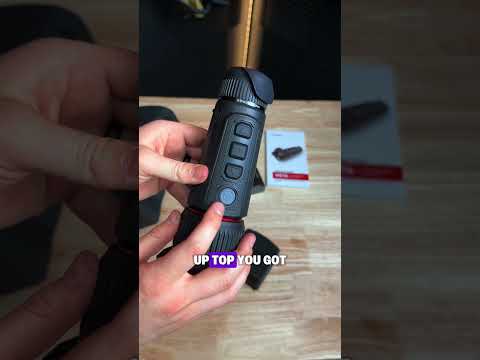
This video, presented by FalconClaw's Callsign_Gundoctor, demonstrates a key principle of thermal camouflage. It explains and visually confirms that any fabric, including specialized materials, will display a thermal signature once in direct contact with a warm body due to heat transfer. This makes traditional thermal-blocking clothing ineffective for maintaining a low thermal profile against thermal imaging.

Quick Summary

Any fabric in direct contact with a warm body will display a thermal signature. This occurs because the material absorbs and re-radiates body heat, making the wearer visible to thermal sensors. Specialized thermal-blocking materials also lose effectiveness once touching the skin due to this heat transfer.

Chapters

  1. 00:00Thermal Materials & Clothing Effectiveness
  2. 00:08Fabric Heat Signatures Demonstrated

Frequently Asked Questions

Why doesn't clothing made from thermal-blocking materials work effectively?

Once a thermal material touches the body, it loses its effectiveness because heat transfers directly from the body to the fabric. This absorbed and re-radiated heat makes the wearer visible to thermal sensors, negating the material's intended blocking properties.

Can any fabric hide a person from thermal cameras?

No, any fabric in direct contact with a warm body will display a thermal signature. The material absorbs body heat and re-radiates it, making the person detectable by thermal imaging equipment, regardless of the fabric's pattern or type.

What is the main principle behind thermal signature visibility through clothing?

The primary principle is heat transfer. When a warm body is in direct contact with a fabric, heat moves from the body to the fabric. This heat is then radiated by the fabric, creating a visible signature on thermal imaging devices.

More Tactical & Gear Videos You Might Like

More from FalconClaw

View all →