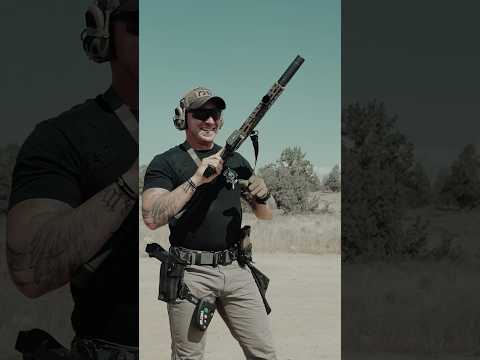
Why Dry Fire Is the Key to Finding Your Red Dot

Published on April 16, 2025
Duration: 10:47

This video outlines an eight-minute daily dry-fire routine designed to build reliable performance with red dot sights, particularly for law enforcement officers transitioning from iron sights. The focus is on developing target focus, consistent grip, and precise trigger control from the holster, emphasizing efficiency over speed through effort. The routine stresses the importance of 'feel, see, do' and using dry fire to diagnose and correct mechanical flaws before live fire.


Quick Summary

An eight-minute daily dry-fire routine is key to mastering red dot sights, focusing on building a reliable sight picture from the holster. This practice emphasizes target focus, consistent grip, and precise trigger control, allowing for efficient mechanical refinement without live ammunition.

Chapters

  1. 00:00Introduction & Dry Fire Importance
  2. 00:18The 8-Minute Dry Fire Routine
  3. 00:54Target Selection for Dry Fire
  4. 01:42Starting the Routine: Grip & Aim
  5. 02:07Trigger Control at Speed Drill
  6. 02:47Focus on Target & Grip Consistency
  7. 03:21Holster Draw Mechanics
  8. 03:47Utilizing a Par Timer (Optional)
  9. 04:57Focusing on Draw Efficiency
  10. 05:11Diagnosing Draw Tension
  11. 05:34Holster Retention & Grip Build
  12. 06:14Troubleshooting Red Dot Disruption
  13. 06:36Testing Consistency with Trigger Press
  14. 06:49Associating Time with Par Timer
  15. 07:13Benefits of an Observer
  16. 07:41Paying Attention to Draw Tension
  17. 07:50Central Marriage Point & Elevation
  18. 08:14Building Efficient Draw Speed
  19. 08:33Refining Grip & Presentation
  20. 08:48Trueing with Live Fire
  21. 09:09Foundation for Live Fire Success
  22. 09:39Conclusion: Dry Fire is Key
  23. 09:56Call to Action: Like, Subscribe, Comment

Frequently Asked Questions

What is the primary benefit of dry fire for red dot sight users?

Dry fire is essential for building a reliable sight picture from the holster and developing consistent grip and trigger control without the need for live ammunition or recoil. It allows for focused practice on fundamental mechanics.

How much time should I dedicate to dry fire practice daily?

The video recommends an eight-minute daily dry-fire routine. This commitment requires less than an hour per week and is presented as an accessible way to significantly improve firearm handling skills.

What are the key elements to focus on during a dry fire drill?

Key elements include building a solid grip, establishing visual connection to the target, creating alignment between the gun and target, and executing a controlled trigger press. The 'feel, see, do' process is emphasized for refinement.

How can I improve my holster draw through dry fire?

Focus on efficient movement, tracking contact reference points, and building a consistent grip from the holster. Avoid forcing speed through effort, which can introduce tension and disrupt your presentation.

More Training & Techniques Videos You Might Like

More from Achilles Heel Tactical

View all →