Not every thing away from your body works

Published on December 3, 2024
Duration: 0:54

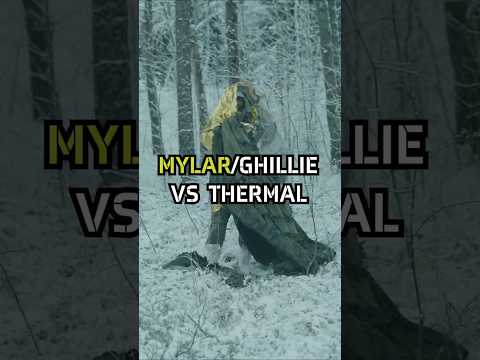
This video tests the effectiveness of wool blankets against thermal imaging, concluding they are ineffective for hiding heat signatures. Both dry and wet wool blankets were tested at various distances, showing significant heat bleed-through. The speaker, using thermal equipment and tactical gear, demonstrates that wool's insulating properties actually make it visible to thermal sensors.

Quick Summary

Wool blankets are ineffective at hiding heat signatures from thermal imaging. Tests show that wool's insulating properties trap heat, causing it to bleed through the fabric and remain visible to thermal sensors, even at distances like 250 meters. Wetting the blanket offers no improvement.

Chapters

  1. 00:00Intro: Wool Blankets & Thermal Imaging
  2. 00:10Field Test Setup
  3. 00:24Thermal Analysis at 250m
  4. 00:43Wet Blanket Test & Conclusion

Frequently Asked Questions

Can wool blankets hide you from thermal imaging?

No, wool blankets are ineffective at hiding heat signatures from thermal imaging. Tests show that wool's insulating properties trap heat, causing it to bleed through the fabric and remain visible to thermal sensors, even at distances like 250 meters.

Does wetting a wool blanket improve thermal concealment?

No, wetting a wool blanket does not improve its ability to conceal heat signatures from thermal imaging. A field test comparing dry and wet wool blankets showed no significant difference in their visibility to thermal sensors.

Why are wool blankets visible on thermal cameras?

Wool blankets are visible on thermal cameras because they act as insulators, trapping body heat. This trapped heat eventually radiates outwards and bleeds through the fabric, creating a detectable heat signature that thermal imaging devices can pick up.

Are wool blankets useful for tactical stealth against ISR?

Based on field tests, wool blankets are not useful for tactical stealth against Intelligence, Surveillance, and Reconnaissance (ISR) thermal detection. They fail to effectively mask heat signatures, making them easily detectable by thermal imaging equipment.

Related News

All News →

More Tactical & Gear Videos You Might Like

More from FalconClaw

View all →