Q&A - Rifle Builds, Buffer Weights, Underrated Firearms, Government Programs

Published on October 18, 2025
Duration: 42:38

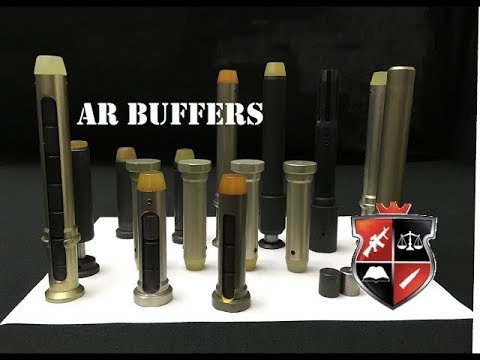
This video provides an in-depth analysis of AR-15 buffer weights and their role in managing gas system dynamics, particularly in overgassed or improperly gassed firearms. The instructor, with extensive experience in military and manufacturer settings, explains how buffer weights affect bolt velocity, carrier bounce, and overall firearm reliability. He emphasizes that buffers are for mechanical tuning, not recoil management, and advises on selecting appropriate weights based on ammunition type and firearm configuration to ensure optimal function across various conditions.


Quick Summary

Buffer weights in an AR-15 are crucial for tuning the firearm's operating cycle by controlling bolt carrier group velocity and managing gas system dynamics. They are not for recoil reduction but for ensuring reliable function, especially in overgassed firearms, by slowing down the bolt and preventing issues like failures to eject. Heavier buffers like H or H2 are often used to address overgassing.

Chapters

  1. 08:00Buffer Weight Basics & Military Context
  2. 09:16Ammunition Impact on Gas Systems
  3. 11:20Buffer Selection for Overgassed Rifles
  4. 13:16H3 Buffer Use Cases
  5. 14:13Buffers vs. Recoil Management
  6. 15:34Buffer Tuning Rule of Thumb
  7. 15:55External Piston Guns & Buffers
  8. 16:30Factory Settings vs. Real-World Use
  9. 17:04Tuning & Ammunition Consistency
  10. 35:30Gas System Wear Patterns
  11. 36:11Carbine vs. Rifle Gas Systems
  12. 37:31Endurance Testing & Gas Port Erosion
  13. 39:40Commercial vs. Military Gun Wear
  14. 40:34Commercial Gun Challenges
  15. 41:0820-inch Barrels vs. Carbines

Frequently Asked Questions

What is the primary purpose of buffer weights in an AR-15?

Buffer weights in an AR-15 are primarily used to tune the firearm's operating cycle by controlling bolt carrier group velocity. They help manage gas system dynamics, prevent overgassing, and ensure reliable function, especially in firearms that are overgassed or sensitive to ammunition variations.

How do carbine-length gas systems differ from rifle-length gas systems in terms of wear?

Carbine-length gas systems generate nearly double the port pressure of rifle-length systems. This higher pressure leads to a faster bolt unlocking stroke, increased bolt velocity, and accelerated wear on critical components like the extractor, extractor springs, and bolt itself over time.

When should I consider using a heavier buffer in my AR-15?

You should consider a heavier buffer if your AR-15 ejects brass at the 1:00 position with standard 5.56 NATO ammunition, indicating it might be overgassed. A heavier buffer can slow down the bolt carrier group, improving reliability and reducing stress on components.

Are buffers used to reduce recoil in an AR-15?

No, buffers are not designed to manage recoil. Their function is purely mechanical, aimed at regulating the firearm's cycling speed and timing to ensure it operates reliably in various conditions and with different ammunition types. Recoil management is a separate consideration.

More Training & Techniques Videos You Might Like

More from SmallArmsSolutions

View all →